
• About
  • Contact
  • Pinterest
Pregged.com
  • Pregnancy
    • Getting Pregnant
      • Am I Pregnant?
      • Unplanned Pregnancy
      • Miscarriage
      • Pregnancy Symptoms
      • Pregnancy Health
      • Mental Health
      • 1st Trimester
      • 2nd Trimester
      • 3rd Trimester
    • Week by Week
    • Getting Ready
      • Labor
      • Birth
      • Postpartum
      • Baby
      • Baby Names
      • Baby Astrology
      • Breastfeeding
    • Essentials
      • Pregnancy Products
      • Maternity Wear
      • Baby Gear
      • Diapers
      • Postpartum Products
      • Gift Ideas
  • Local
  • Lifestyle
  • Relationships
  • Technology
  • 🇺🇸
  • 🇪🇸
  • 🇩🇪
  • 🇵🇹
  • Pregnancy
    • Getting Pregnant
      • Am I Pregnant?
      • Unplanned Pregnancy
      • Miscarriage
      • Pregnancy Symptoms
      • Pregnancy Health
      • Mental Health
      • 1st Trimester
      • 2nd Trimester
      • 3rd Trimester
    • Week by Week
    • Getting Ready
      • Labor
      • Birth
      • Postpartum
      • Baby
      • Baby Names
      • Baby Astrology
      • Breastfeeding
    • Essentials
      • Pregnancy Products
      • Maternity Wear
      • Baby Gear
      • Diapers
      • Postpartum Products
      • Gift Ideas
  • Local
  • Lifestyle
  • Relationships
  • Technology
  • 🇺🇸
  • 🇪🇸
  • 🇩🇪
  • 🇵🇹
Home » Pregnancy » 3rd Trimester » What is SPD in Pregnancy? Symptoms, Treatment and Coping Tips

What is SPD in Pregnancy? Symptoms, Treatment and Coping Tips

   Medically reviewed by Kristy June Dinampo MD
  Published on January 14th, 2024
What is SPD in Pregnancy?  Symptoms, Treatment and Coping Tips
Advertisment

Symphysis Pubis Dysfunction (SPD for short) is a pregnancy related condition that causes pain and discomfort in the pelvic area. Sometimes you’ll hear it referred to as Pelvic Girdle Pain or PGP as well. 

Let’s find out more about this common condition, the symptoms you might expect and what kinds of treatment might be offered.

What is SPD?

SPD is a common cause of pelvic pain in pregnancy.

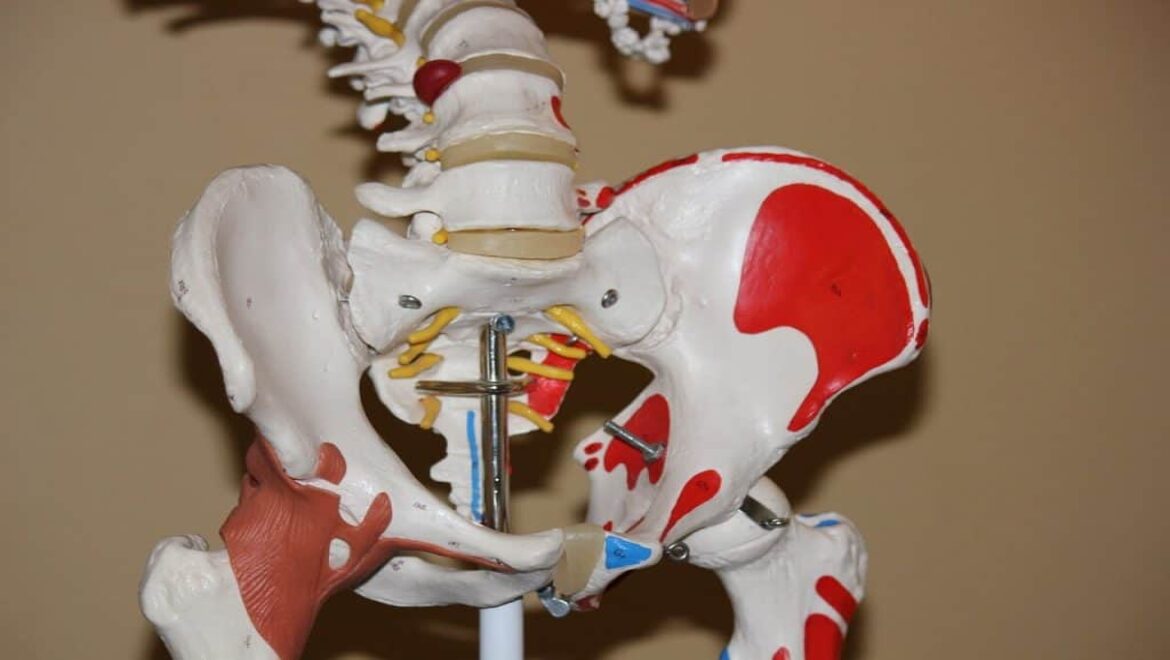
To really understand what SPD is and why it causes pain at this time, we need to think about the shape of the pelvis.

Your pelvis is mainly made up of two strong, large bones which create that iconic pelvic shape.

At the front of the pelvis, the bones meet and this point is called the ‘symphysis pubis’.

This is where the pain is likely to occur.

The reason for this pain is because this meeting point is strengthened by ligaments.

Your ligaments are affected by your pregnancy hormones and this puts extra pressure on the symphysis pubis, destabilizing it to a certain degree. This is why the pain occurs.

SPD is a type of pelvic girdle pain (PGP), and this is what your condition may be referred to when you visit a doctor or physical therapist to talk about treatment options.

Does SPD Always Happen in Pregnancy?

Not always. The reason that SPD occurs is due to hormones, one called ‘relaxin’ to be exact.

This hormone helps to soften and relax the ligaments in your pelvis, which allows your bones to move a little and birth to occur much more easily. Your baby has to pass through this area remember!

Previously it’s been mentioned that the symphysis pubis is strengthened by ligaments.

During a normal pregnancy your body compensates for the relaxation/laxity of ligaments in this area, but occasionally that doesn’t happen.

SPD is thought to happen when:

  • Your pelvic joints don’t move in correlation with each other
  • Your body doesn’t react in the right way to the relaxin hormone
  • You might have a joint in the pelvis which is weak or doesn’t work as well as the others
  • General weakness in the pelvic area

Any of these situations means that your pelvis isn’t as strong, and that is when SPD can occur.

The condition can happen at any point during your pregnancy, and it can sometimes happen after birth too.

Symptoms of SPD

The main symptoms of SPD include:

  • Pain in the groin and pelvis
  • Pain on the pubic bone
  • Pain in the back
  • Hip pain
  • A clicking or grinding noise or feeling in the pelvis when you move
  • Not being able to sleep well due to the pain – SPD pain can sometimes be worse at night time
  • Worse pain when walking, moving when you’re in bed, or walking up or down steps/stairs

If you notice any of the above, speak to your midwife or doctor.

Are you suffering with pelvic pain during pregnancy? Find out if it's the common pregnancy condition SPD and what you can do to relieve the it....#pregnancy #pregnancyhealth #pregnancytips #spd

How is SPD Treated?

The treatment for SPD depends on the severity of your symptoms. If you have a mild case self help will probably be suggested. It is often something you just have to live with and get through the best you can.

For more debilitating cases the focus of treating SPD is around physical therapy in order to strengthen muscles around the joint itself.

During your session appointment you will be given exercises to do at home, as well as exercises to do with your physical therapist. 

Your physical therapist will also focus on giving you advice to help with pain during birth, and pain reduction in your day-to-day activities e.g. when sleeping/walking around.

There are a few other things you can try to help reduce the pain and discomfort of SPD, but check them out with your doctor, midwife, or physical therapist before embarking on any of them.

These include:

  • Acupuncture – Be sure to find a practitioner who is experienced in pregnancy treatment
  • Osteopathy – Again, find a practitioner experienced in pregnancy treatment
  • Using a pelvic support belt – This is something your physical therapist can advise you about, and it may help you with pain during your daily tasks or when you’re exercising

Aside from this, there are some standard ways to cope which you can incorporate into your daily routine:

  • Don’t push yourself further than you feel you can go. Ask for help around the house, or with any other activities
  • Be careful when climbing stairs, getting in or out of the bath, or getting out of a car. Parting your legs can exacerbate pain, so don’t go too far than is comfortable
  • Avoid sitting with your legs crossed
  • Avoid carrying children on your hip
  • If you can sit down to do a task, do so – standing for long periods of time can make the pain worse
  • Avoid lifting anything heavy, and pushing anything heavy, such as supermarket trolleys
  • Never stand on one leg only, e.g. when putting pants on – sit down to complete the task
  • Sleep on your side, with a pillow between your knees, and your legs bent
  • When getting out of bed or rolling over in bed keep your knees together to minimize pain
  • Use walking sticks if need be

Will SPD Disappear After Birth?

It is likely that your SPD will begin to ease after you have delivered, and it should resolve within a few months after giving birth.

You should continue with your physical therapy exercises until the SPD has completely gone, and remember not to push yourself in the weeks after delivery.

The bad news is that if you have experienced SPD in a prior pregnancy, it’s more likely that your next pregnancy will also be affected.

Sources:

  1. https://www.nct.org.uk/pregnancy/worries-and-discomforts/common-discomforts/pregnancy-related-pelvic-girdle-pain-pgp-pregnancy
  2. https://obgyn.onlinelibrary.wiley.com/doi/pdf/10.1576/toag.8.3.153.27250
  3. https://www.ncbi.nlm.nih.gov/pmc/articles/PMC3364059/
  4. https://www.parents.com/pregnancy/my-body/aches-pains/spd-in-pregnancy-what-is-symphysis-pubis-dysfunction/
  5. https://www.physio-pedia.com/Pubic_Symphysis_Dysfunction
  6. https://www.cochranelibrary.com/cdsr/doi/10.1002/14651858.CD012441/full
Advertisment

Related Posts

  • Preparing for Labor: What to Know Before the Big Day
  • How to Deal with Pregnancy Discomforts: From Morning Sickness to Back Pain
  • Exercise During Pregnancy: Safe Workouts for Each Trimester
Advertisment
Advertisment
Trending Now
8 Ovulation Myths to Ignore When You Want to Get Pregnant

8 Ovulation Myths to Ignore When You Want to Get Pregnant

When you’re trying to get pregnant it’s normal to start spending a lot of time thinking about ovulation. If you get pregnant very easily you

10 Ways to Make Sure You Have a Healthy Bond with Your Baby

10 Ways to Make Sure You Have a Healthy Bond with Your Baby

New parents, and new moms in particular, have a lot on their mind when it comes to “things you mustn’t get wrong with your newborn.”

Read more...
How to Convert Weeks into Months During Pregnancy

How to Convert Weeks into Months During Pregnancy

Converting how many weeks pregnant you are into months pregnant is frankly pretty confusing. This is because months are not neatly packaged into exactly 4-week

Read more...
How Easy is it to Get Pregnant? (Trying or Not)

How Easy is it to Get Pregnant? (Trying or Not)

There are two groups of people who typically ask about how easy is it to get pregnant. Those who are really, really up for getting

Read more...
10 Things Women Hate About Being Pregnant

10 Things Women Hate About Being Pregnant

Pregnancy is a wonderful and magical time. It’s also a time of feeling constantly irritated, annoyed and bloated. Life has ups and downs and so

Read more...
Advertisment
What Does It Feel Like To Have A Miscarriage?

What Does It Feel Like To Have A Miscarriage?

Here we look at the physical feelings and experiences that might come with miscarriage. We’ll talk about what a miscarriage might feel like, and how

Read more...
What Pregnancy Will Teach You About Yourself – 14 Moms Share Their Powerful Life Lessons

What Pregnancy Will Teach You About Yourself – 14 Moms Share Their Powerful Life Lessons

At its most basic level pregnancy is a physical process that we hope will bring us a healthy baby but pregnancy often gives us many

Read more...
What is a Missed Miscarriage?

What is a Missed Miscarriage?

Sadly not every pregnancy ends in the birth of a healthy child. Miscarriage is something all pregnant women fear and it is a heartbreaking experience.

Read more...
60 Really Weird Pregnancy Symptoms

60 Really Weird Pregnancy Symptoms

We all know that pregnancy comes with its own set of quirks that stem from changing hormones and the fact that you’re growing a brand

Read more...
5 Reasons NOT to Worry About Pooping During Labor & Delivery

5 Reasons NOT to Worry About Pooping During Labor & Delivery

Are you freaking out about the thought of pooping during labor and delivery? Have those articles telling you how NOT to poop made you think

Read more...
Advertisment
What Does Heartburn Feel Like When You’re Pregnant?

What Does Heartburn Feel Like When You’re Pregnant?

Pregnancy tends to throw up countless weird and wonderful symptoms for us to cope with. These symptoms aren’t just related to your stomach area. Oh

Read more...
Faint Pregnancy Test Line is Very Light – Am I Pregnant or Not?

Faint Pregnancy Test Line is Very Light – Am I Pregnant or Not?

So you’ve taken a home pregnancy test (HPT). And you’re not sure if it’s the light or your eyes or some kind of a positive

Read more...
Craving Weird Smells – The Pregnancy Super Power No-one Wants!

Craving Weird Smells – The Pregnancy Super Power No-one Wants!

You might have heard of having strange food cravings during pregnancy, but have you ever heard of craving smells too? The sense of smell can

Read more...
7 Secrets That Will Help Your Labor Go More Smoothly

7 Secrets That Will Help Your Labor Go More Smoothly

Almost every mother looks forward to the day her baby will be born with a mixture of excitement and fear.  What will happen that day?

Read more...
4 Types of Childbirth Classes for an Easier Labor & Birth

4 Types of Childbirth Classes for an Easier Labor & Birth

From your second trimester onwards you will be bombarded with information about labor and birth. Most women naturally start to worry around this time as

Read more...
Advertisment
Join the Pregged Community
Follow us
  • Pinterest
Disclosure

Some of the links on Pregged lead to sites we are affiliated with, such as Amazon, and we may earn revenue from them.

The material on this website is provided for educational purposes only and is not to be used for medical advice, diagnosis or treatment, or in place of therapy or medical care. Use of this site is subject to our terms of use and privacy policy.

Links
  • About
  • Contact
  • T & C’s
  • Privacy Policy
  • Editorial Standards
Copyright © 2023 Pregged.com. All rights reserved